



Interesting concept, Calm Voyage was recommended to me by a friend. I will for sure ask Alex to make the plans each time I want to go in an interesting unknown place even in the middle of Paris or Rome. She managed to surprise me with little unknown locations and restaurants which is exactly what I was dreaming.”

Discrete gateway by Calm Voyage
With about 2000 years before there was a French Riviera there was Capri. Drop it all and visit a dream island in Europe. With the chance to see the Blue Grotto, move around in one of a kind buses or taxis and use a beautiful funicular. And to top it all? Just take the chair lift on Monte Solaro and then smile as you see how beautiful the world can be.
explore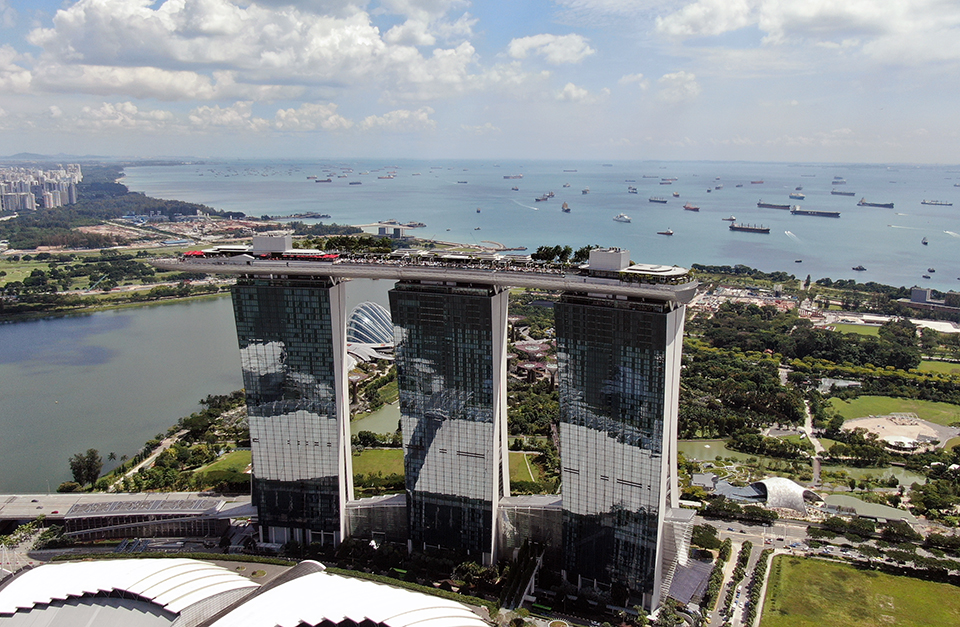
City break travel planning
Paris... Try to say it with a French accent. Then imagine a freshly baked real croissant made by a French woman alongside a coffee and a view to the Eiffel Tower. Then look next to you to see the smile of the one you love. This is Paris, seen from the terrace of a 150 years old restaurant. And we know a little secret on how to get yourself a selfie alone with the most famous lady in the world: Mona Lisa. But if you want to say Singapore with a sexy accent, we can arrange that too
explore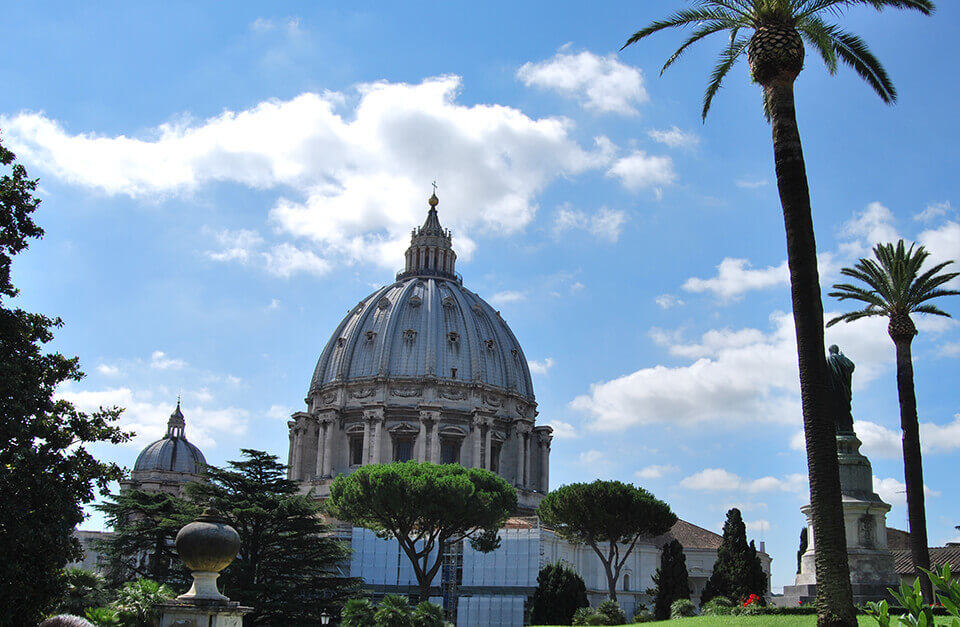
Full holiday arrangements
There is an old saying that all roads lead to Rome. And we can testify to that. There is no other place where history, modernism and relaxation meet. One week in Italy through Rome, Amalfi Coast and Naples, what can be more beautiful? Find history as alive as it was 2000 years ago, be amazed by the Renascence and eat pizza at the first pizzeria in the world.
explore
Honeymoon vacation
Congratulation, we wish you all the best and because you are worth it after you had thousands of people nagging you while planning the wedding it is now your turn to enjoy the silence in a picturesque scenery where even if you have internet and signal you can always claim you did not. Bali awaits you, by the way, they have many fertility goddesses.
explore Marleen - Holland
 CHRISTIAN M - ROMANIAI thought that would be easier for me to plan a month long trip to the United States and Canada using the time and experience of someone else. All I can say is that you can see me in the picture with the T-shirt on the Niagara Falls and rest assure I will not plan my own holydays. I enjoyed both knowing that the restaurants and hotels have all good reviews and the best traveling routes where already chosen for me.”
 MATHIAS - GERMANYImagine making a trip where all you know is that somebody already arranged all the details from airplane to hotels, car service and concert tickets to my wife's favorite artist. It was a wonderful present for our fifth anniversary and all I had to do is ask Alex to make all the plans and fill-up a simple form. The concierge services are 5 stars and privacy is true and my wife found nothing about the surprise. I mean is tickets at Beyoncé two weeks before the concert.”